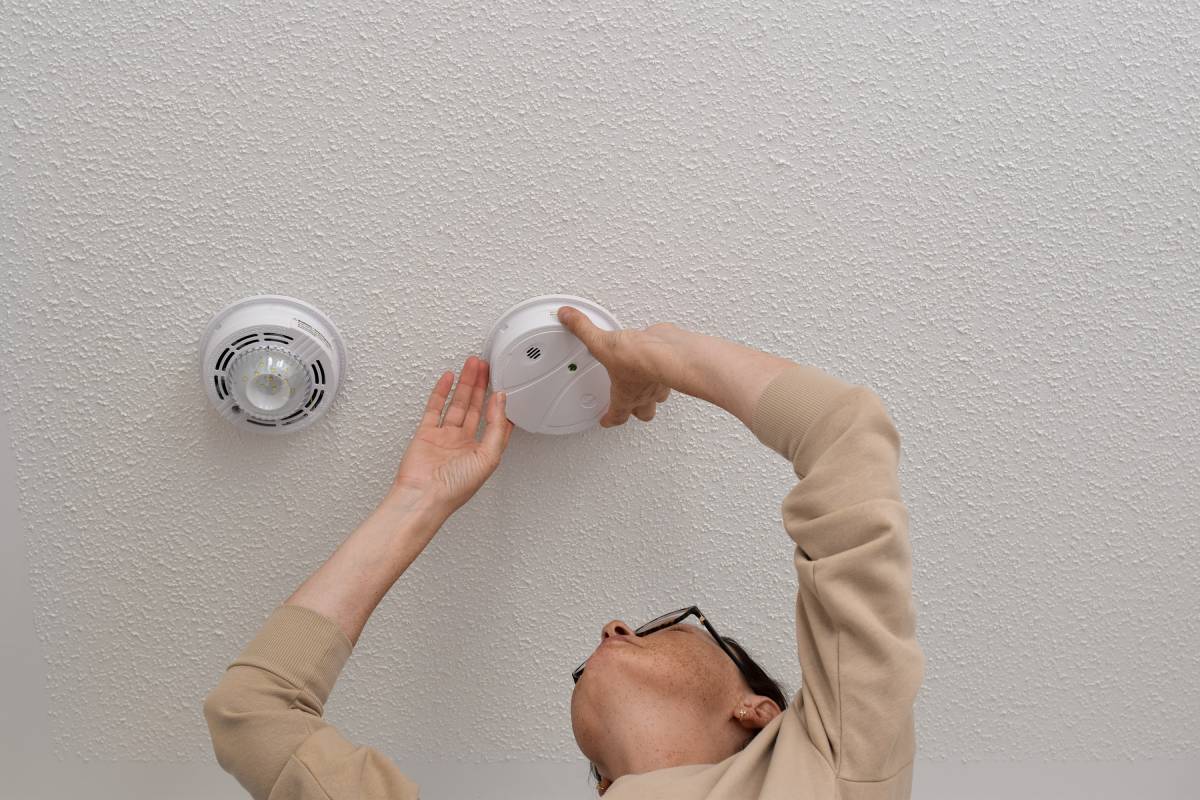

The statistics are stark and unforgiving: a working smoke alarm can halve the risk of a fatality in a home fire. In a bustling, densely populated metropolis like Sydney, where housing stock ranges from historic terraces to modern high-rises, ensuring every residence is equipped with effective, compliant fire detection is paramount. But what constitutes compliance in New South Wales, and are Sydney homeowners and landlords truly meeting the legislative and best-practice standards that protect lives?
The answer, as is often the case with building safety, is complex. While the law sets a minimum baseline, true safety requires understanding the nuances of modern fire science and the critical difference between legal compliance and optimal protection. This article delves into the current NSW smoke alarm legislation, highlights the common pitfalls in Sydney home installations, and outlines the urgent steps needed to secure peace of mind.
The Legal Framework in NSW: A Non-Negotiable Minimum
New South Wales operates under specific and evolving legislation, which applies to all residential buildings, including houses, units, rental properties, and even moveable dwellings like caravans, where people sleep. The overarching principle, enshrined in the Environmental Planning and Assessment Act 1979 and its Regulations, is the mandatory installation of at least one working smoke alarm on every level of a dwelling.
Since major updates to the regulations, particularly those impacting new and rental properties, the requirements have become more stringent:
1. The Photoelectric Imperative
One of the most significant modern requirements is the move towards superior technology. Ionisation smoke alarms are now prohibited in new and replacement installations. All smoke alarms must be photoelectric and comply with the Australian Standard AS 3786:2014.
- Why Photoelectric? Photoelectric alarms are significantly more responsive to the slow-smouldering fires common in residential settings (e.g., electrical faults, bedding, or upholstery fires), which generate thick smoke long before flames erupt. Ionisation alarms, while better at detecting fast, flaming fires, often prove too slow for the most lethal household fires.
2. Placement and Coverage: The Legal Baseline
The minimum legal requirement for existing dwellings is simple:
- At least one working, AS 3786-compliant smoke alarm on every level of the home.
- The alarm must be located in the hallway or corridor associated with bedrooms.
For new builds and properties undergoing significant renovation, the National Construction Code (NCC) mandates much higher standards, often requiring alarms within bedrooms themselves and on other levels, along with hardwired interconnection (see below).
3. Power Source and Lifespan
The power source depends on the age and type of the dwelling:
- New Buildings and Major Renovations: Must have hard-wired (240V) alarms with a battery backup, installed by a licensed electrician.
- Existing Homes (including rentals): Can use alarms powered by a 10-year life, non-removable, permanently connected lithium battery as an alternative to hard-wiring.
- Replacement Rule: All smoke alarms have a 10-year lifespan from the date of manufacture. They must be replaced when they expire.
4. The Interconnection Mandate
Interconnection means that when one alarm detects smoke, all alarms in the dwelling sound simultaneously. While the highest level of legal mandate for interconnection currently applies to new builds and major renovations, Fire & Rescue NSW (FRNSW) strongly recommends this for all existing homes, stating it offers the gold standard of protection. In a large Sydney apartment or a multi-storey house, an interconnected system buys precious extra seconds for evacuation.
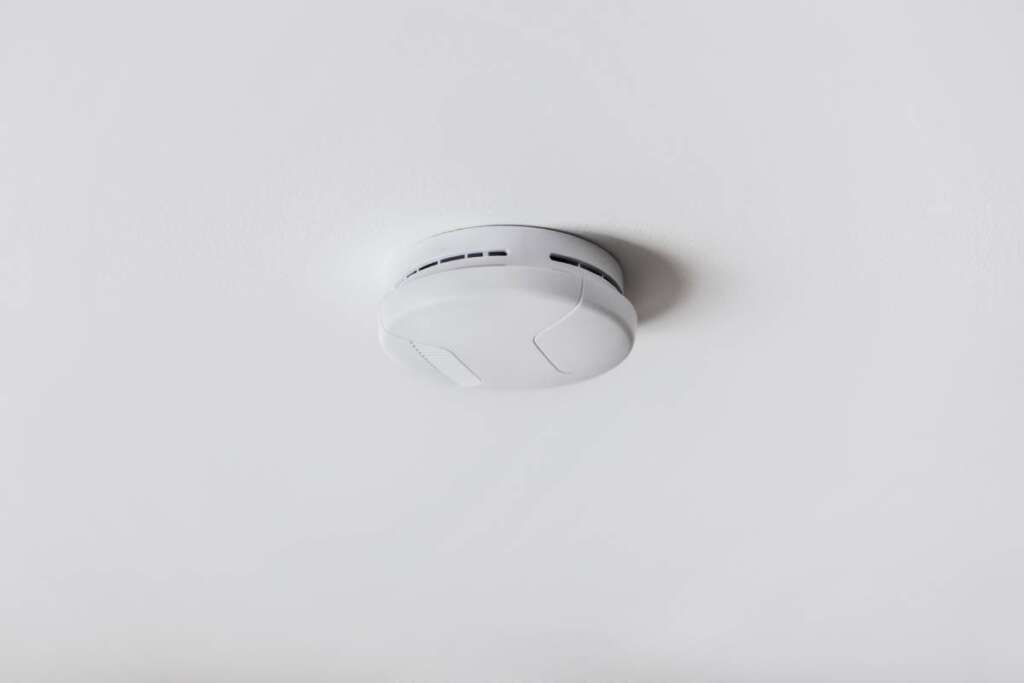
The Compliance Gap: Where Sydney Homes Fall Short
Despite the clear legislation, a significant number of Sydney homes fall into a “compliance gap.” This gap exists not because homeowners are intentionally non-compliant, but because of common errors and a failure to progress beyond the bare minimum.
1. Obsolete Technology and Expiration Dates
Many older Sydney dwellings, particularly units and rental properties, still rely on outdated alarms that were installed years ago. The most common issues are:
- Expired Alarms: Many homeowners are unaware that a smoke alarm expires after 10 years, regardless of how frequently the battery is changed.
- Ionisation Relics: Old, ineffective ionisation alarms often remain in place, leaving occupants vulnerable to smouldering fires.
2. Poor Placement: The False Alarm Problem
The leading reason people disable smoke alarms is nuisance false alarms. This is almost always due to improper placement:
- Too Close to the Kitchen: Placing an alarm within 3 meters of a cooking appliance is a recipe for false alarms from burning toast or cooking fumes.
- Near Bathrooms/Laundries: Steam and high humidity will routinely trigger an alarm, leading to frustration and, dangerously, the permanent removal of the battery or the unit itself.
- “Dead Air” Space: Installing alarms too close to corners (where the wall and ceiling meet) or near air vents prevents smoke from reaching the sensor efficiently, delaying activation.
3. The Minimum vs. Maximum Protection
The legal requirement of “one alarm per level, near the bedrooms” is a bare minimum. FRNSW and fire safety experts universally recommend installing an alarm in every bedroom, every hallway, and every living area. Fires often start in living spaces or bedrooms. If the only alarm is in a downstairs hallway, a fire starting in an upstairs bedroom may spread to the point of being fatal before the sound reaches the sleeping occupants.
4. Hard-Wired Negligence
For homes built or substantially renovated after the initial mandatory hard-wiring rules came into effect, the backup battery must still be checked. For older hard-wired systems, the responsibility for replacing the 9V backup battery (annually) often falls through the cracks, leaving the alarm powerless during a blackout precisely when a fatal fire is most likely to occur.

Responsibilities: Homeowners vs. Landlords and Tenants
In Sydney’s robust rental market, clear delineation of responsibility is vital:
| Responsibility | Homeowner/Landlord | Tenant |
| Installation | Mandatory: Must ensure a compliant, working alarm is installed on every level and near sleeping areas. | Not responsible for installation. |
| Annual Testing | Mandatory: Must test all alarms annually (often outsourced to compliance companies). | Recommended: Test monthly. |
| Replace Removable Battery | Mandatory: Replace the battery at the commencement of a new tenancy. | Responsible: Replace removable batteries during the tenancy (if physically able). |
| Replace Hard-Wired Backup Battery | Mandatory: Responsible for all maintenance, including replacement of hard-wired backup batteries. | Responsible: Must notify the landlord/agent if the alarm is chirping or faulty. |
| Alarm Replacement (10-year mark) | Mandatory: Replace the entire unit after 10 years. | Not responsible for replacement. |
The failure to maintain an alarm by either party can result in fines of up to $550, but the real consequence is the life-threatening risk it creates. Non-compliance can also complicate or even void a home insurance claim in the event of a fire.
Securing True Safety: A Compliance Action Plan
Achieving both legal compliance and the highest level of fire safety in a Sydney home is a straightforward, five-step process:
- Audit Your Alarms: Physically check every alarm for a manufacturer’s date. If it’s over 10 years old, it must be replaced. Press the test button to ensure a loud, clear alarm sounds.
- Verify Photoelectric Type: Ensure all existing alarms are the superior photoelectric type. If unsure, an electrician can confirm or recommend replacement.
- Ensure Interconnection: If your home has multiple alarms, they should be interconnected. If they are not, upgrade to modern, wirelessly interconnected photoelectric alarms. This is the single biggest safety upgrade for older homes. Companies like Reds Power Solutions are specialists in upgrading older Sydney homes to wirelessly interconnected, 10-year lithium battery alarms, ensuring both compliance and maximum protection..
- Adopt Best-Practice Placement: Go beyond the minimum. Install alarms inside every bedroom, and ensure clear pathways from every sleeping area to an exit. Keep them at least 3 meters from kitchens and bathrooms.
- Regular Maintenance: Implement a simple schedule: Test monthly (press the test button); Vacuum gently every six months (to remove dust from the chamber); Replace batteries annually (for non-10-year sealed units); Replace the unit every 10 years.
Conclusion
Sydney’s housing landscape is subject to a clear legislative standard that mandates a minimum level of smoke alarm protection. However, the path to true safety demands that homeowners and landlords move beyond this baseline. The consequences of non-compliance, ranging from financial penalties and insurance issues to the tragic loss of life, are too severe to ignore.
In the high-stakes moment of a house fire, every second counts. Upgrading to AS 3786-compliant, photoelectric, and interconnected smoke alarms is not merely a legal chore; it is the most critical, cost-effective, and life-saving investment a Sydney resident can make in their home. The goal must be for every home in the city to be not just compliant, but genuinely safe.






Leave a Comment