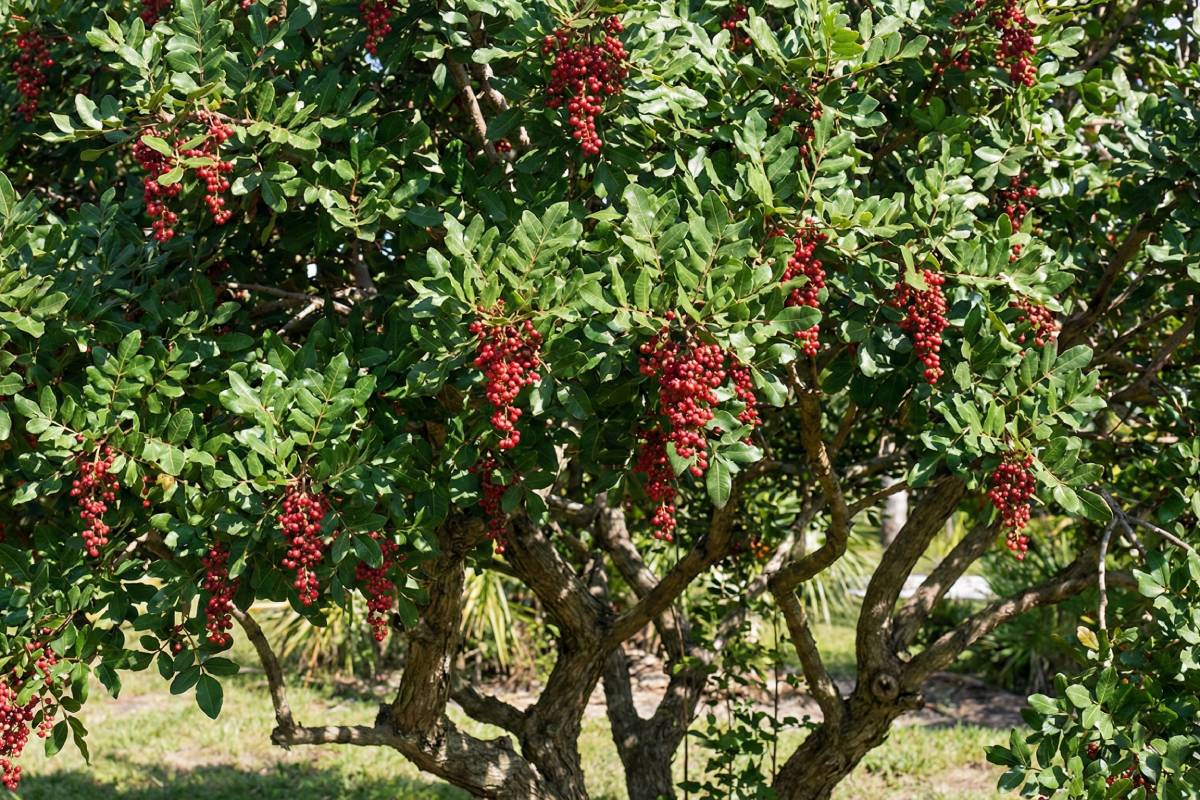

You’ve spotted a striking, leafy tree adorned with dense clusters of bright red berries. You might have even heard whispers in foraging communities that these berries are a gourmet culinary delight.
But before you harvest a handful to toss into your next dish, you need to know the hidden risks. Consuming these berries or even brushing against the tree’s leaves could land you in the hospital with symptoms mirroring a severe poison ivy reaction, including blistering skin and breathing difficulties.
In this guide, we are separating fact from fiction. We will explore exactly what makes the Brazilian pepper tree a prized spice for some, and a dangerous, toxic encounter for others. By the end, you’ll know exactly how to safely navigate this controversial plant.
TL;DR: Can Eat Brazilian Pepper?
Yes, the berries of the Brazilian pepper tree (Schinus terebinthifolia) are technically edible in small amounts and are commercially sold as pink peppercorns. However, because the tree belongs to the cashew and poison ivy family, consuming the berries or touching the sap can cause severe allergic reactions, contact dermatitis, and respiratory issues in sensitive individuals. The plant is also highly toxic to dogs, cats, and livestock.
What is the Brazilian Pepper Tree? (Schinus terebinthifolia)
The Brazilian pepper tree is a sprawling, evergreen shrub or small tree native to South America. It is widely recognized by its aromatic leaves and vibrant red berry clusters.
In many parts of the world, including Florida, Texas, and Hawaii, it is classified as a highly aggressive invasive species. Often called “Florida Holly” or “Christmas berry,” it rapidly overtakes native ecosystems.
Despite its environmental reputation, the plant has a global footprint due to its culinary applications.
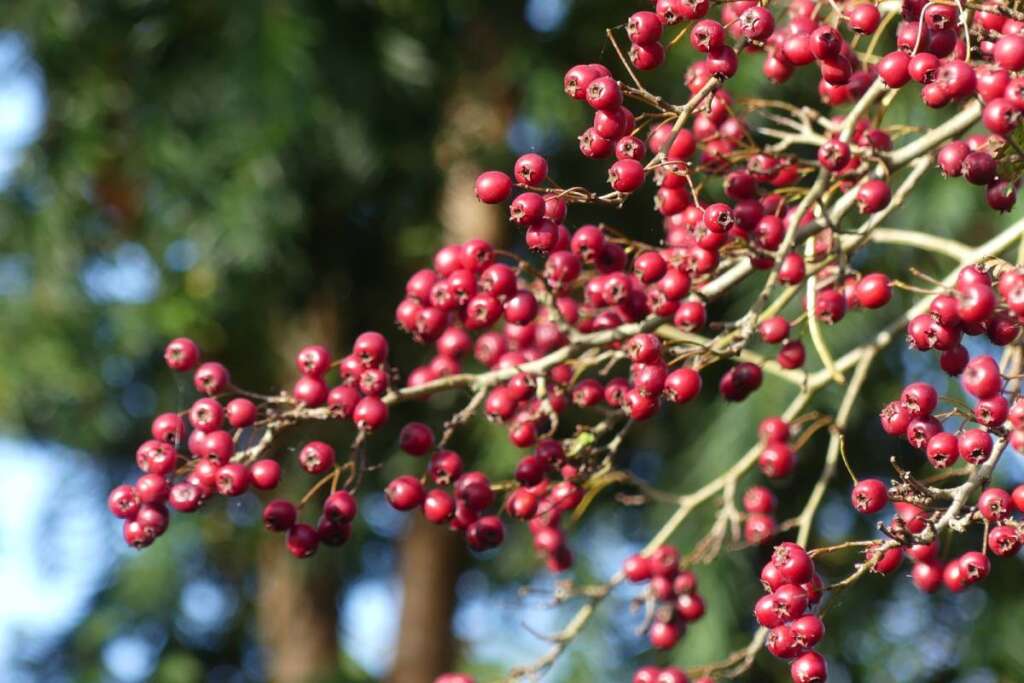
Quick Botanical Profile
| Feature | Description |
| Scientific Name | Schinus terebinthifolia |
| Common Names | Brazilian pepper, Florida Holly, Rose pepper |
| Plant Family | Anacardiaceae (Cashew/Poison Ivy family) |
| Edible Parts | Dried berries (Pink Peppercorns) – with high caution |
| Toxicity Level | Moderate to High (for allergic individuals and pets) |
The Pink Peppercorn Connection
If you are asking, “brazilian pepper tree edible?”, you are likely thinking of pink peppercorns.
The dried, papery husks of Brazilian pepper tree berries are globally marketed and sold in gourmet spice blends as pink peppercorns (often labelled baies roses).
Key differences between Pink and Black Pepper:
- True Black Pepper: Comes from the Piper nigrum vine. It gets its heat from piperine.
- Pink Peppercorns: Come from the Brazilian pepper tree (or its close relative, the Peruvian pepper tree, Schinus molle).
- Flavour Profile: Pink peppercorns are not spicy. They offer a sweet, fruity, and slightly resinous flavour.
While culinary professionals love them for their aesthetics and delicate flavour, these berries carry significant biological baggage.
The Hidden Danger: The Poison Ivy Family
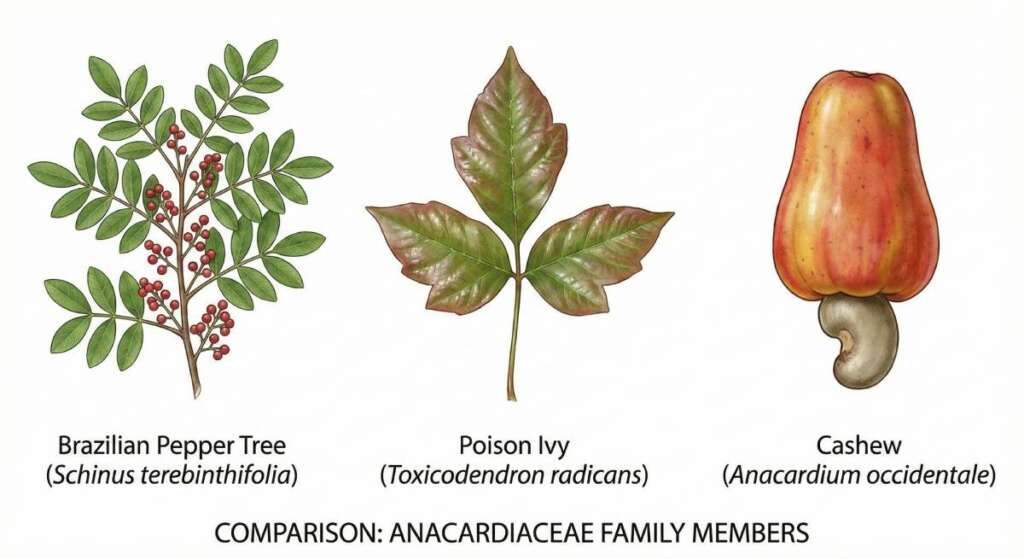
To understand the safety profile of this plant, you must look at its family tree. The Brazilian pepper tree belongs to the Anacardiaceae family.
This botanical family is notorious for producing urushiol, a highly active oily compound. Other famous members of this family include:
- Poison ivy, poison oak, and poison sumac.
- Cashews and pistachios.
- Mangoes (specifically the sap and skin).
Contact Dermatitis and Respiratory Distress
For many people, the Brazilian pepper tree is essentially “poison ivy on a tree.”
Handling the crushed leaves, breaking a branch, or getting the sap on your skin can trigger severe contact dermatitis. Symptoms include intense itching, red rashes, and weeping blisters.
Because of these extreme topical reactions, attempting to prune or clear an overgrown Brazilian pepper tree on your own is highly discouraged. Many property owners choose to bypass the risk entirely by bringing in experienced arborists, such as the team at Wiktora Bros Tree Works, to safely manage or extract the plant without risking sap exposure or toxic smoke inhalation from improper disposal.
Treat a mature Brazilian pepper tree with the exact same caution you would any other environmental hazard. Just as you wouldn’t attempt DIY extraction of toxic building materials and would instead ensure they are safely removed from a house by certified experts you should rely on trained professionals to extract this highly allergenic plant without risking exposure.
Furthermore, when the tree blooms, its pollen acts as a severe respiratory irritant. Burning the wood is highly dangerous, as inhaling the smoke can cause severe lung inflammation.
Who Should Absolutely Avoid Pink Peppercorns?
While commercial pink peppercorns are consumed safely by millions, high-risk individuals must avoid them entirely. Do not consume these berries if you have:
- A known tree nut allergy (especially to cashews or pistachios).
- A history of severe reactions to poison ivy or poison oak.
- Mango allergies (specifically reactions to mango skin/sap).
- Sensitive digestive tracts, as the berries can act as a gastric irritant.
Is the Brazilian Pepper Tree Toxic to Dogs and Pets?
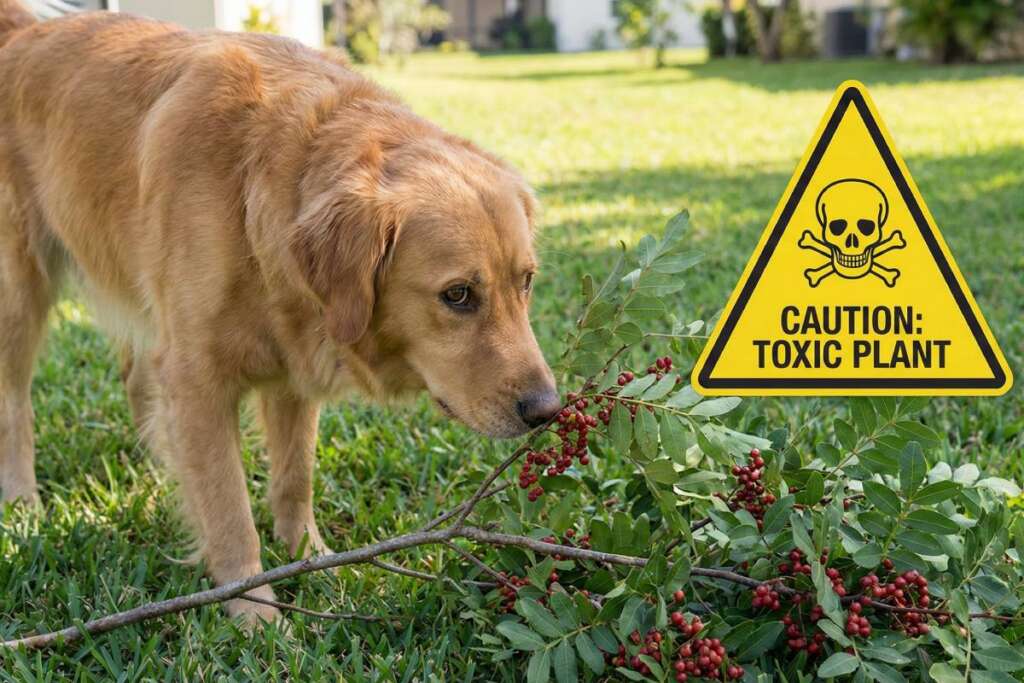
The simple answer is yes. While humans can consume the processed berries in small quantities, the Brazilian pepper tree is highly toxic to animals.
Never let your pets forage near this tree. The berries, leaves, and sap contain compounds that animals cannot properly metabolise.
Symptoms of poisoning in dogs, cats, and horses include:
- Vomiting and severe diarrhea.
- Lethargy and weakness.
- Gastrointestinal distress and colic in livestock.
- Skin irritation around the muzzle from sniffing the plant.
If you suspect your pet has eaten Brazilian pepper tree berries, contact an emergency veterinarian or animal poison control immediately. If you want to bypass the worry of outdoor toxic plants entirely, you might find peace of mind by choosing indoor pets that are safe, happy, and completely separated from backyard hazards.
Wild Foraging vs. Commercial Pink Peppercorns
If the plant is related to poison ivy, how are pink peppercorns sold in grocery stores? The answer lies in species selection, processing, and dosage.
The Commercial Market
Most commercially sold pink peppercorns come from the Peruvian pepper tree (Schinus molle), which is a closely related but generally less irritating cousin to the Brazilian variety.
Furthermore, commercial spices are dried, heat-treated, and consumed in very small, scattered quantities (a few flakes on a steak or a salad).
The Risks of Wild Foraging
Foraging the Brazilian pepper tree yourself is highly risky.
- Variable Toxicity: The concentration of urushiol and irritating volatile oils varies wildly from tree to tree based on soil and climate.
- Processing Errors: Failing to dry and process the berries correctly can leave high concentrations of sap on the husks.
- Cross-Contamination: Breaking twigs while harvesting the berries easily transfers toxic sap to your hands and food.
Expert Advice: Unless you are an experienced botanist or forager who knows their allergy profile intimately, it is best to buy pink peppercorns from a reputable spice vendor rather than eating them off a local tree.
Conclusion
So, is the brazilian pepper tree edible? The answer is a heavily qualified “yes.”
The berries are the source of gourmet pink peppercorns, prized for their fruity, floral notes. However, their position in the cashew and poison ivy family makes them a hazardous gamble for anyone with tree nut allergies or sensitive skin. For pets and local ecosystems, the tree is a documented hazard.
Whether you are a chef looking for a new flavour profile or a homeowner identifying backyard weeds, treating this plant with immense respect is non-negotiable.
Have you ever checked your gourmet spice blends to see if pink peppercorns are mixed in with your black pepper?






Leave a Comment